Marina Kirichenko
Na početku ljetne sezone nasmijala me šala. Najčešći upiti u Francuskoj, SAD-u, Kanadi: hoće li biti nuklearnog rata u ljeto 2025.? Najpopularniji u Ukrajini: kako povoljno ljetovati u Odesi u ljeto 2025.? U četvrtoj godini rata punog opsega, Odesa i neki drugi gradovi na obali Crnog mora ipak čekaju goste. Od Kijeva do Odese – pet sati vožnje automobilom.
Suvremena Odesa
Odesa je treći po veličini grad u Ukrajini s više od milijun stanovnika. To je kulturno, trgovačko, industrijsko i turističko središte na obali Crnog mora. I također najveća industrijska luka Ukrajine. Upravo odavde ukrajinsko žito putuje svijetom.
Povijest Odese
Arheolozi datiraju pronađene ostatke građevina u gradu u 5.-3. tisućljeće prije Krista. To znači da je područje gdje se sada nalazi Odesa bilo dio starogrčke civilizacije. Dalje su njime vladali Nogajci, dio Zlatne Horde. U 14. stoljeću područje je osvojilo Veliko kneževstvo Litva i ovdje osnovalo tvrđavu Kočubijiv. Godine 1415. pojavljuje se prvi pisani spomen grada, što se može smatrati početkom njegove dokumentirane povijesti. U istom 15. stoljeću grad dolazi pod vlast Osmanskog Carstva, koje 1789. godine istiskuje Rusko Carstvo. U sovjetsko vrijeme Odesa je bila dio Ukrajinske Sovjetske Republike. Od 1991. godine Odesa je u sastavu neovisne Ukrajine.
Zanimljivosti u Odesi
Kao lučki i trgovački grad, Odesa se burno razvijala u 18.-19. stoljeću. Godine 1819. odeskoj luci dodijeljen je status porto-franca. Odesa se brzo gradila (planiranjem grada bavio se nizozemski vojni inženjer Frans de Wollan). Njezino stanovništvo povećalo se 15 puta i bilo je vrlo raznoliko. Ovdje su živjeli Ukrajinci, Židovi, Grci, Rusi, Nijemci, krimski Tatari i drugi. Od tih vremena Odesa se ponosi arhitektonskim spomenicima i cijelim ansamblima u stilu klasicizma, ampira i moderna. Povijesno središte Odese uvršteno je na UNESCO-ov popis svjetske baštine.
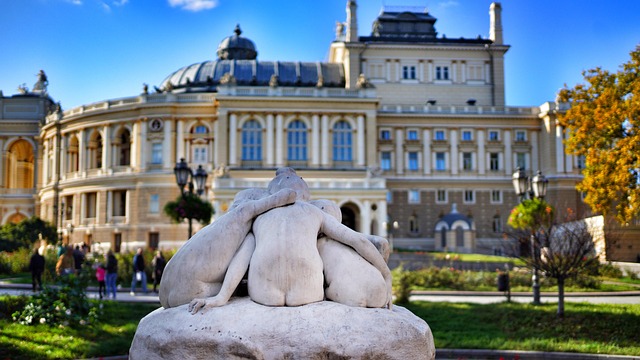
Općinsko kazalište u Odesi izgrađeno je u stilu rokokoa. Projekt je izveo arhitektonski biro Fellner & Helmer, koji je izgradio i kazalište u Zagrebu. Za gledatelje je kazalište otvorilo vrata 1887. godine (u Zagrebu 1895. godine).
Ispod grada nalazi se jedna od najvećih svjetskih mreža podzemnih prolaza i tunela (katakombe), čija duljina iznosi otprilike 2.5 tisuće kilometara.
Odesa se smatra “prijestolnicom smijeha”. Ovdje se svake godine održavao festival humora i šala.

Hrana Odese
Odesa je prava Meka za gurmane. Ovdje možete probati korejsku, gruzijsku, azerbajdžansku, iransku, japansku, židovsku, vijetnamsku kuhinju. Najpoznatija jela Odese su s ribom i morskim plodovima. To su foršmak, pilav s dagnjama (jelo slično paelli), sendviči s malom slanom ribom i prženi iverak.
Ratna Odesa
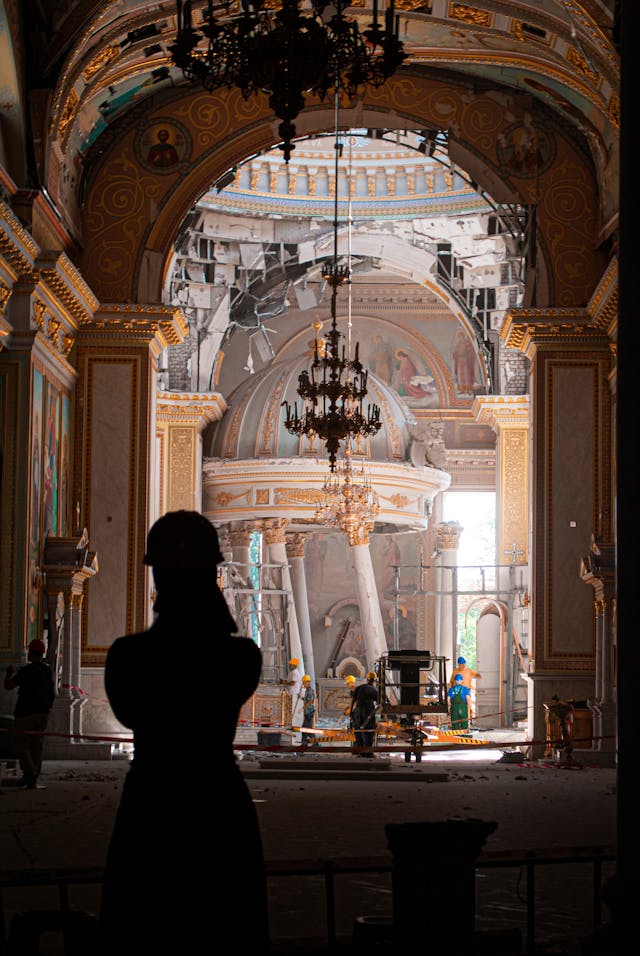
Iako ljetni dani raduju goste i stanovnike Odese, noći ispunjava užas granatiranja. Tijekom rata u Odesi su poginuli ljudi i uništeni su brojni infrastrukturni objekti, stambene zgrade, oštećeni su povijesni spomenici. Unatoč tome što se u ruskoj povijesti i ideologiji Odesa smatra ruskim gradom, granatiranja balističkim projektilima i šahedima ne ostavljaju joj šansu za miran život. Plaže, koje se postupno otvaraju za posjetitelje, čiste se od mina i opremaju skloništima. Odesa se drži. I čeka goste iz cijelog svijeta nakon pobjede!
The Sea. Odesa. War.
At the beginning of the summer season, a joke made me laugh. The most common searches in France, the USA, and Canada: will there be a nuclear war in the summer of 2025? The most popular in Ukraine: how to have a budget holiday in Odesa in the summer of 2025? In the fourth year of the full-scale war, Odesa and some other cities on the Black Sea coast are still waiting for guests. From Kyiv to Odesa – a five-hour drive by car.
Modern Odesa
Odesa is the third-largest city in Ukraine with over 1 million inhabitants. It is a cultural, commercial, industrial, and tourist center on the Black Sea coast, and also Ukraine’s largest industrial port. It is from here that Ukrainian grain sets off around the world.
History of Odesa
Archaeologists date the remains of buildings found in the city to the 5th-3rd millennia BC. This means that the area where Odesa is now located was part of ancient Greek civilization. Later, it was controlled by the Nogai, part of the Golden Horde. In the 14th century, the territory was conquered by the Grand Duchy of Lithuania, which established the Kochubiyiv fortress here. In 1415, the first written mention of the city appears, which can be considered the beginning of its documented history. In the same 15th century, the city came under the rule of the Ottoman Empire, which was displaced by the Russian Empire in 1789. In Soviet times, Odesa was part of the Ukrainian Soviet Republic. Since 1991, Odesa has been part of independent Ukraine.
Interesting Facts about Odesa
As a port and trading city, Odesa developed rapidly in the 18th-19th centuries. In 1819, the Odesa port was granted porto-franco status (free port). Odesa was rapidly built up (the city’s planning was handled by the Dutch military engineer Frans de Wollant). Its population increased 15-fold and was very diverse. Ukrainians, Jews, Greeks, Russians, Germans, Crimean Tatars, and others lived here. Since then, Odesa has been proud of its architectural monuments and entire ensembles in the styles of Classicism, Empire, and Modern. The historical center of Odesa is included in the UNESCO World Heritage List.
The Odesa Opera House was built in the Rococo style. The project was executed by the architectural bureau Fellner & Helmer, which also built the theater in Zagreb. The theater opened its doors to the public in 1887 (in Zagreb in 1895).
Under the city lies one of the world’s largest networks of underground passages and tunnels (catacombs), with a length of approximately 2.5 thousand kilometers.
Odesa is considered the “capital of laughter.” A festival of humor and jokes was held here annually.
Odesa Cuisine
Odesa is a true Mecca for gourmets. Here you can try Korean, Georgian, Azerbaijani, Iranian, Japanese, Jewish, and Vietnamese cuisine. Odesa’s most famous dishes are those with fish and seafood. These include forshmak, pilaf with mussels (a dish similar to paella), sandwiches with small salted fish, and fried flounder.
Wartime Odesa
Although the summer days bring joy to the guests and residents of Odesa, the nights are filled with the horror of shelling. During the war, people have died in Odesa, numerous infrastructure facilities and residential buildings have been destroyed, and historical monuments have been damaged. Despite the fact that in Russian history and ideology Odesa is considered a Russian city, ballistic missile and Shahed drone attacks leave it no chance for a peaceful life. Beaches, which are gradually being opened to visitors, are being cleared of mines and equipped with shelters. Odesa stands strong. And it awaits guests from all over the world after victory!


 Emilija Natalija Habulin